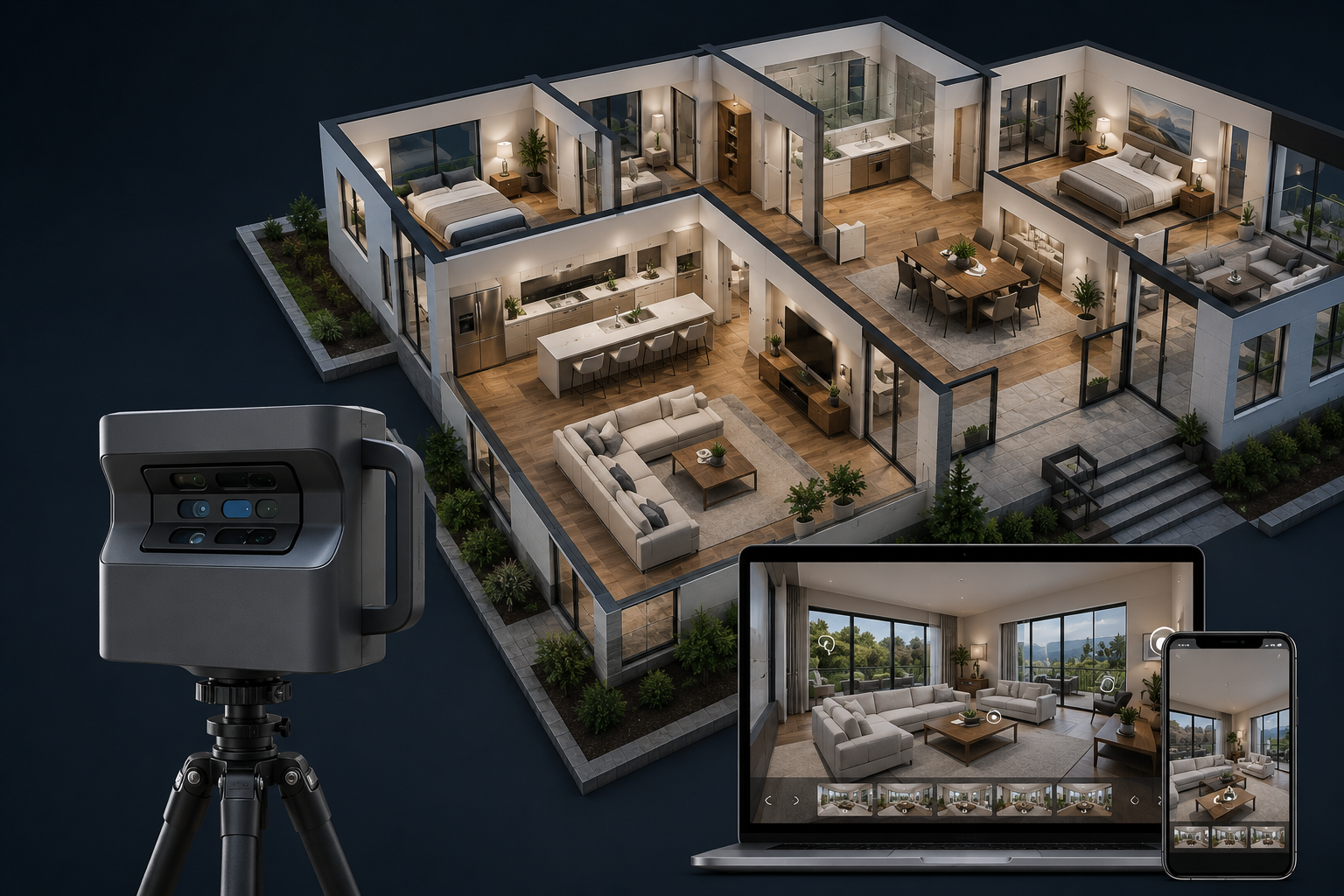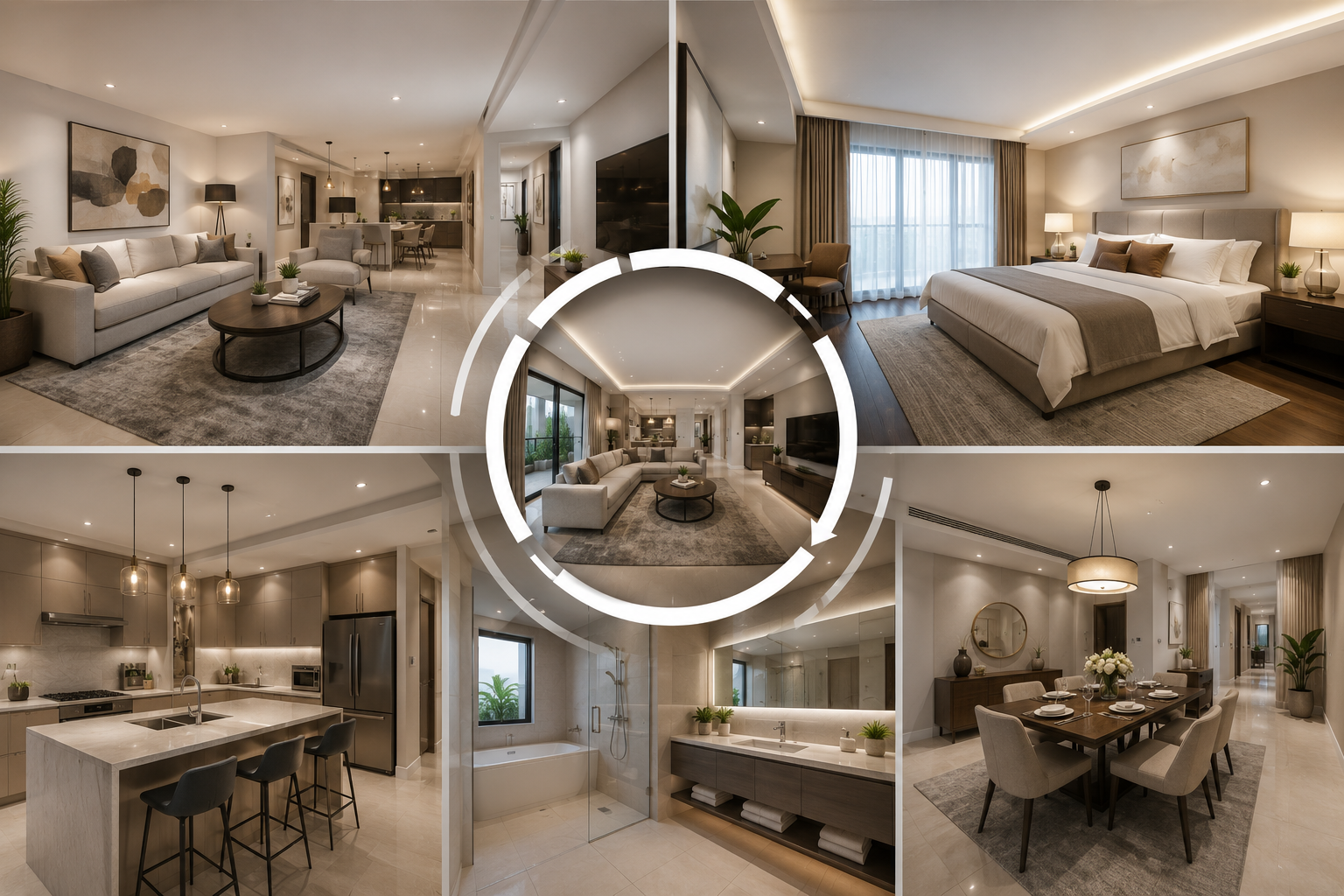
Most people are no longer purchasing or booking things the same way as before. Before visiting a hotel, a place to host a party, a restaurant, or hiring a real estate agent, people visit various websites and do as much research as they can. They read about the services, look at images of their preferred selections, read reviews, and try to learn as much as they possibly can. The difficulty with simply uploading images onto a site is that there are still aspects about a certain room that photographs do not clearly show or express. How does the room feel? What room is where? Does the room look as good as it did in the photograph? These are issues that virtual tours are solving for businesses.
Customers Expect More Than Just Photos
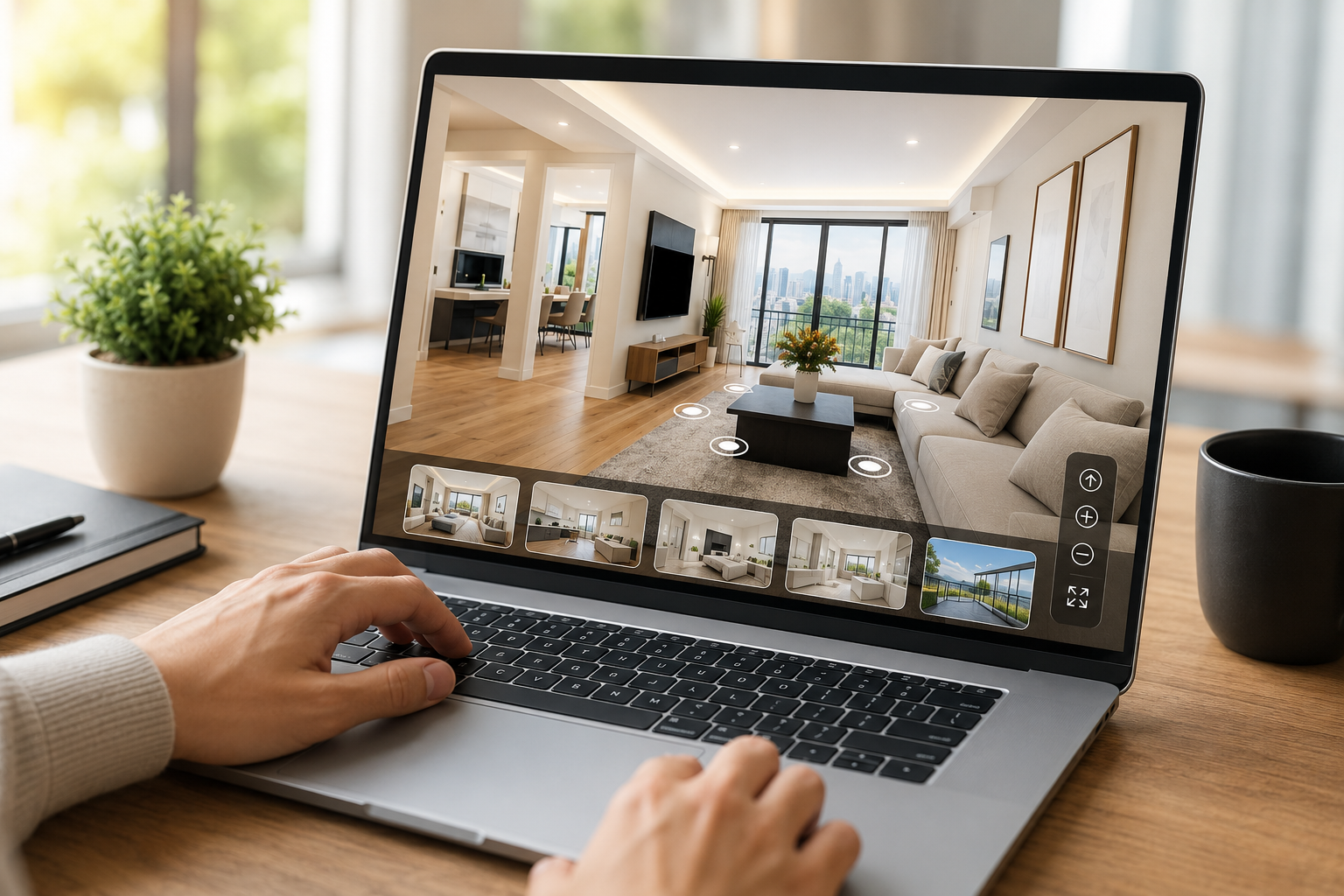
A few years ago, it was adequate to upload quality images of a business or product, but today, this simply isn’t enough. Consumers wish to experience a place of business or its products and services before they actually make a purchase, a booking, or a visit. Virtual tours assist businesses by allowing visitors to step inside a place they may potentially do business with. By using this technology, customers no longer have to guess how a place will feel or be. Instead, they are able to experience it from the comfort of their homes.
Creating a Strong First Impression and Building Trust
In many instances, a first contact takes place between a customer and a business through its website. When a consumer finds a company through a search engine, social media, or referral, the website often becomes the primary source of information. A virtual tour can create a much stronger first impression than static images, presenting the business as more professional and transparent.
The primary reason many businesses invest in virtual tours is to remove uncertainty from the customer journey. Once a customer has had a thorough look at the space, they feel more confident about its ability to meet their needs. A traveller can explore a hotel room before booking, while an event organiser can review a venue before arranging an in-person visit.
Keeping Visitors Engaged for Longer
Every company wants visitors to spend more time on its website. Virtual tours encourage people to stay longer because they can actively explore a space rather than simply view a few images. Instead of leaving after a quick glance, visitors interact with the content and gain a better understanding of what the business offers. This increased engagement can often lead to more inquiries and conversions.
Why Virtual Tours Are the Future
Virtual tours are useful for far more than just real estate. Hotels can showcase their accommodations, venues can highlight event spaces, businesses can display their stores, and universities can offer virtual campus experiences. Almost any organisation that benefits from showing its physical environment can take advantage of this technology.
As technology continues to evolve, customer expectations will evolve as well. What was once considered an innovative feature is gradually becoming a standard way of showcasing businesses online. Companies that adopt virtual tours today can position themselves ahead of competitors while offering a better experience to potential customers.
Final Thoughts
Virtual tours do much more than make a website look attractive. They allow customers to explore a business in a way that builds trust and confidence before a visit or purchase. By improving engagement, reducing uncertainty, and creating memorable online experiences, virtual tours can help turn casual browsers into paying customers.